RAD BOXES
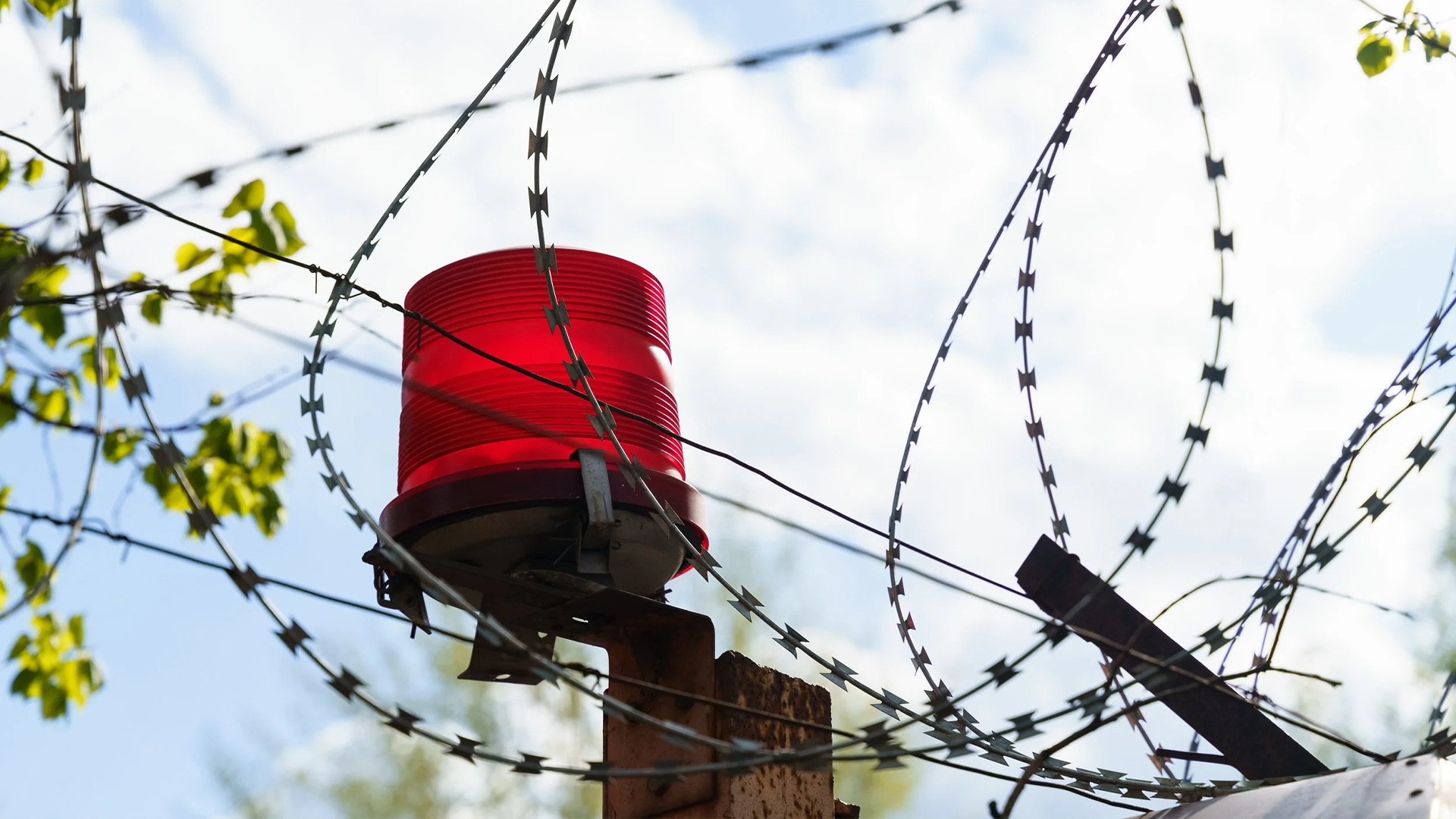
Remote Activated Devices (RAD) Program
Human–wildlife conflict is one of the most urgent challenges facing conservation and communities today. When predators and other wildlife repeatedly access livestock areas, crops, or community infrastructure, the result can be loss of life, loss of livelihoods, and escalating pressure for lethal management.
Our Conflict Mitigation Boxes (RAD Program) use AI-enabled Remote Activated Devices (RAD units) to help prevent conflict before it happens. RAD units are designed to detect risk conditions and trigger deterrent stimuli that discourage predators from approaching or interacting with high-risk areas—supporting safer human–wildlife coexistence, reducing property damage, and lowering the need for constant manual intervention.
What are Conflict Mitigation Boxes (RAD units)?
Conflict Mitigation Boxes are field-deployable, AI-enhanced deterrent systems that can be positioned near locations where wildlife conflict is likely—such as livestock enclosures, calving areas, community edges, or known predator travel corridors.
When activated, RAD units can trigger a range of deterrents, including:
Light-based deterrence
Sound-based deterrence
Scent-based deterrence
Lightning simulation and other visual stimuli
Additional configurable deterrent outputs tailored to the landscape and species
Why AI matters for conflict mitigation
Wildlife quickly learns patterns. Many deterrents fail over time because animals habituate when the stimulus is predictable.
RAD units address this by using AI-enabled logic and randomized stimulus patterns to reduce habituation and sustain effectiveness. By varying timing, intensity, and type of deterrent, RAD units create uncertainty—encouraging predators to avoid specific locations and helping communities protect assets without constant human presence.
This approach aligns with key search intents such as:
AI for human–wildlife conflict mitigation
non-lethal predator deterrent technology
remote activated wildlife deterrents
AI-powered conflict prevention systems
predator deterrent devices for coexistence
How the RAD Program supports coexistence
The Conflict Mitigation Boxes (RAD Program) is designed to reduce negative wildlife interactions through proactive, non-lethal prevention.
Key outcomes include:
Reduced predator access to livestock or conflict-prone zones
Fewer conflict incidents and retaliation pressure
Lower reliance on manual interventions, night guarding, and reactive chasing
Reduced need for lethal management, supporting conservation goals and community safety
Scalable protection across multiple sites with consistent deterrence coverage
KEY capabilities
Remote activated deterrence
RAD units can be deployed in high-risk locations and triggered to deter approaching predators, reducing the burden on local teams and enabling faster response to emerging conflict conditions.
Multi-stimulus deterrent outputs
The system can deliver different types of stimuli—light, sound, scent, lightning simulation, and other deterrents—making it adaptable to different species and settings.
Randomization to prevent habituation
Randomizing the stimulus helps maintain long-term effectiveness by reducing the likelihood that predators learn and ignore the deterrent over time.
Designed for practical field deployment
Conflict Mitigation Boxes are built to support real-world coexistence efforts, helping communities and conservation teams protect people, livestock, and wildlife with less continuous labor.
Who the RAD Program is for
The Conflict Mitigation Boxes (RAD Program) supports organizations and communities working to reduce conflict, including:
Community conservancies and coexistence initiatives
Protected areas bordering settlement or grazing zones
Livestock owners and herder networks (through local programs and partners)
Conservation NGOs and human–wildlife conflict teams
Government wildlife authorities managing conflict response
Results that matter: prevention over reaction
Human–wildlife conflict often escalates because prevention tools aren’t reliable, scalable, or sustainable. The RAD Program focuses on prevention at the point of risk—using AI-enabled deterrence and randomized stimuli to discourage predators from entering conflict zones in the first place.
By reducing repeat incidents, RAD units help protect livelihoods, reduce wildlife mortality, and strengthen long-term coexistence.
Get started with Conflict Mitigation Boxes (RAD Program)
If you’re seeking AI-enabled non-lethal predator deterrents, remote activated conflict mitigation tools, or technology for human–wildlife coexistence, our Conflict Mitigation Boxes (RAD Program) can help you reduce conflict incidents while minimizing manual intervention and avoiding lethal outcomes. Contact us to learn how RAD units can be deployed in your landscape.